
Introduction to CBD
What is CBD?
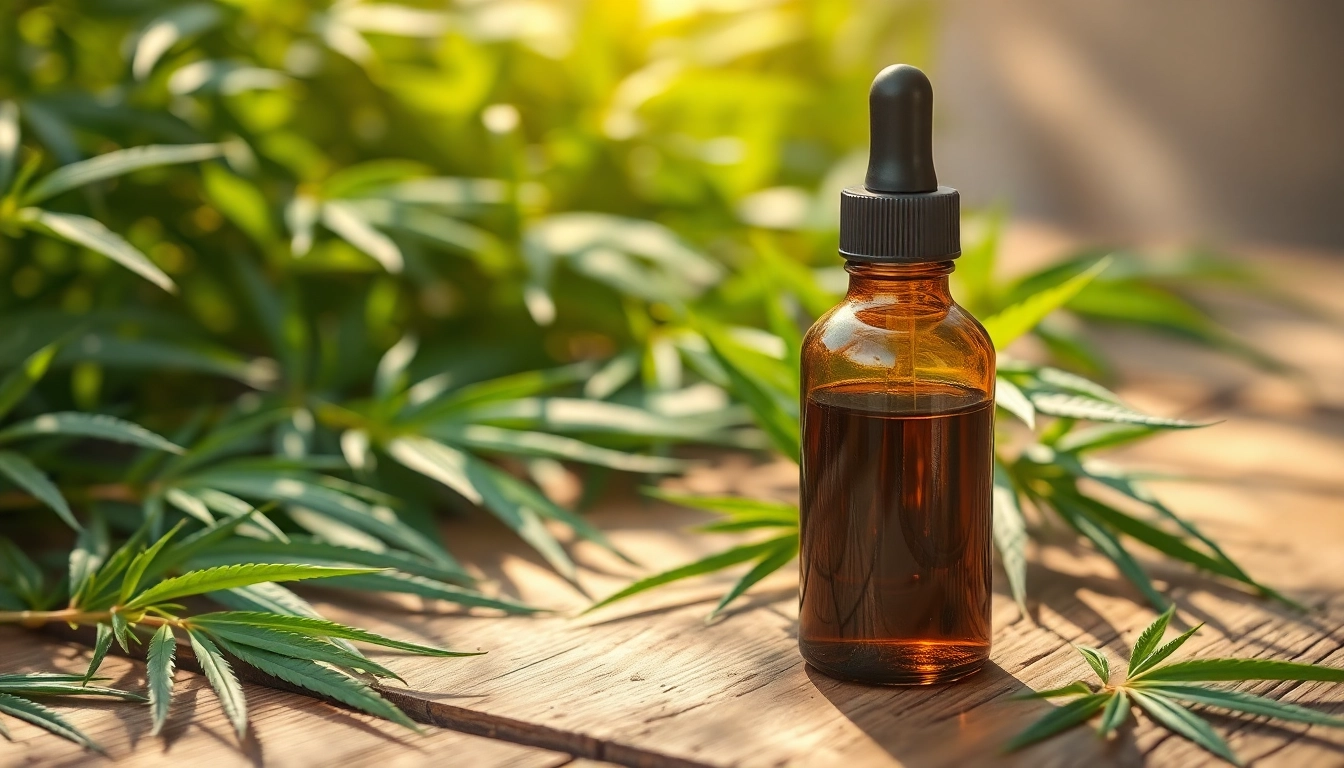
Cannabidiol, commonly known as CBD, is a compound derived from the Cannabis sativa plant. It is one of over 100 cannabinoids found in hemp, a variety of Cannabis sativa. Unlike its more infamous counterpart, tetrahydrocannabinol (THC), CBD does not induce psychoactive effects. This non-psychoactive nature allows CBD to offer many therapeutic benefits without the ‘high’ commonly associated with cannabis products. CBD has gained immense popularity for its potential health benefits, leading to its incorporation into various products ranging from oils and edibles to topicals and capsules. For those interested in exploring CBD, a useful starting point is the CBD health benefits, which have been the focus of numerous studies and anecdotal reports.
How CBD Works in the Body
The human body has an extensive system known as the endocannabinoid system (ECS), which plays a vital role in maintaining homeostasis—an optimal internal state. The ECS consists of endocannabinoids, receptors, and enzymes. CBD interacts primarily with CB1 and CB2 receptors, which are distributed throughout the brain and body. By engaging with these receptors, CBD can modulate signaling processes within the ECS, leading to various physiological responses including pain relief, improved mood, and anti-inflammatory effects. This complex interaction may contribute to the therapeutic effects many users experience.
Cultural and Historical Context of CBD
Historically, cannabis has been utilized for thousands of years across various cultures for both medicinal and recreational purposes. The emergence of CBD as a therapeutic option is relatively recent in comparison; however, it draws on ancient practices of herbal medicine. Traditional Chinese medicine and Ayurvedic practices have long acknowledged the medicinal properties of cannabis. In recent years, the legalization of hemp cultivation and the growing body of research supporting the benefits of CBD have led to a cultural renaissance surrounding the use of cannabis products, positioning CBD at the forefront of holistic health discussions.
Benefits of CBD
CBD for Anxiety and Stress Relief
Anxiety disorders are among the most common mental health issues affecting millions of people worldwide. CBD has emerged as a potential natural treatment for anxiety, with studies indicating its ability to reduce anxiety symptoms in various conditions such as social anxiety disorder and generalized anxiety disorder. By modulating serotonin levels, CBD may enhance mood and promote relaxation, making it a suitable alternative for managing anxiety without the side effects often associated with conventional medications. Individuals seeking more information on effective anxiety management strategies may find great value in exploring how CBD integrates into various approaches to mental health.
CBD’s Role in Pain Management
Chronic pain affects a significant portion of the population, often leading to debilitating conditions that impact daily life. CBD has shown promise as a natural pain reliever, attributed to its anti-inflammatory properties. Research suggests that CBD interacts with the body’s pain receptors, potentially altering pain signaling and reducing discomfort. Users report benefits for conditions such as arthritis, multiple sclerosis, and fibromyalgia, highlighting CBD’s utility as part of a pain management strategy. Further studies continue to explore the precise mechanisms behind CBD’s analgesic effects, offering hope for new treatment modalities.
Potential Benefits for Skin Health
Beyond internal health benefits, CBD has found its place in skincare. Its anti-inflammatory and antioxidant properties make it an appealing ingredient for targeting skin conditions such as acne, eczema, and psoriasis. CBD’s ability to regulate sebum production may contribute to its effectiveness in combating acne, while its soothing effects can help calm irritated skin. With a growing trend toward natural skincare solutions, CBD-infused products are becoming increasingly popular, prompting further research into their efficacy and broader applications within the dermatological field.
Understanding CBD Products
Types of CBD Products Available
The market for CBD products has expanded dramatically, offering a diverse array of options for consumers. Common forms of CBD include oils, capsules, edibles, topicals, and vapes, each catering to different preferences and use cases. CBD oils and tinctures, for instance, provide a versatile means of consumption, allowing users to adjust dosages easily. Edibles offer convenience and are often available in a wide range of flavors and formulations. On the other hand, topical applications like creams and balms are designed for localized relief, making them ideal for those targeting specific areas of discomfort.
How to Choose Quality CBD
With the proliferation of CBD products, discerning quality has become essential for consumers. Factors to consider include the source of hemp, extraction methods, third-party lab testing, and the presence of certifications. High-quality CBD products should be derived from organically grown hemp and undergo rigorous testing to ensure purity and potency. Consumers are also advised to familiarize themselves with terminology such as full-spectrum, broad-spectrum, and isolate to understand the differences in cannabinoid profiles and potential effects. Choosing reputable suppliers can help mitigate risks associated with inferior products.
Reading CBD Labels Effectively
Understanding product labels is critical for informed CBD consumption. Labels should provide information on the concentration of CBD, the type of CBD used, accompanying ingredients, and serving sizes. Pay attention to the total milligrams of CBD per serving and compare this to the total volume of the product. Additionally, look for indications of third-party testing and ensure the product is free from harmful contaminants such as heavy metals or pesticides. Educating oneself on interpreting these labels is vital for safety and satisfaction in CBD use.
Risks and Side Effects of CBD
Common Side Effects of CBD
While many users experience beneficial effects from CBD, it is not entirely free from side effects. Common side effects include dry mouth, drowsiness, changes in appetite, and gastrointestinal discomfort. The likelihood of experiencing side effects can vary based on individual factors such as dosage, method of consumption, and prior health conditions. Understanding these potential side effects can help consumers make informed decisions and manage expectations when starting CBD products.
Drug Interactions and Precautions
CBD can interact with various medications, particularly those metabolized by the liver’s cytochrome P450 enzyme system. Individuals taking prescription medications should consult healthcare professionals before starting CBD to avoid adverse effects or diminished efficacy of their medications. Additionally, caution is advised for pregnant or breastfeeding women and those with pre-existing medical conditions. Staying informed about potential interactions can help users navigate the safe incorporation of CBD into their health regimen.
Finding the Right Dosage of CBD
Determining the appropriate dosage of CBD can be challenging due to the lack of standardized recommendations and individual variability. Factors influencing dosage include the individual’s body weight, metabolism, the specific ailment being treated, and the form of CBD used. It is generally recommended to start with a lower dosage and gradually increase it while monitoring the body’s response. Consulting with a healthcare professional knowledgeable about CBD can provide personalized guidance and optimize results.
Future of CBD in Healthcare
Current Research Trends in CBD
Research on CBD is rapidly evolving, covering various aspects such as its potential therapeutic effects, mechanisms of action, and safety profiles. Current studies are exploring CBD’s role in treating neurodegenerative diseases, its use as a supplement in cancer therapies, and its effect on mental health disorders. The growing body of research aims to provide a clearer understanding of CBD’s capabilities and to address existing gaps in scientific knowledge surrounding its applications.
Legal Considerations Surrounding CBD
The legality of CBD can differ markedly depending on location, often leading to confusion among consumers. In many regions, CBD derived from hemp with less than 0.3% THC is legal, while products with higher THC concentrations may remain illegal. It is essential for consumers to stay informed about local laws and regulations concerning CBD to ensure compliance and avoid potential legal complications.
Public Perception and Acceptance of CBD
Public perception of CBD has shifted significantly in recent years, moving from stigma and skepticism to broader acceptance and enthusiasm. Increased awareness of its potential benefits has fueled interest and curiosity among consumers. Social media, influencer endorsements, and educational resources have contributed to the demystification of CBD, fostering a more informed public. While challenges remain regarding misinformation and regulatory uncertainty, the trajectory points toward mainstream acceptance in healthcare and wellness sectors.