
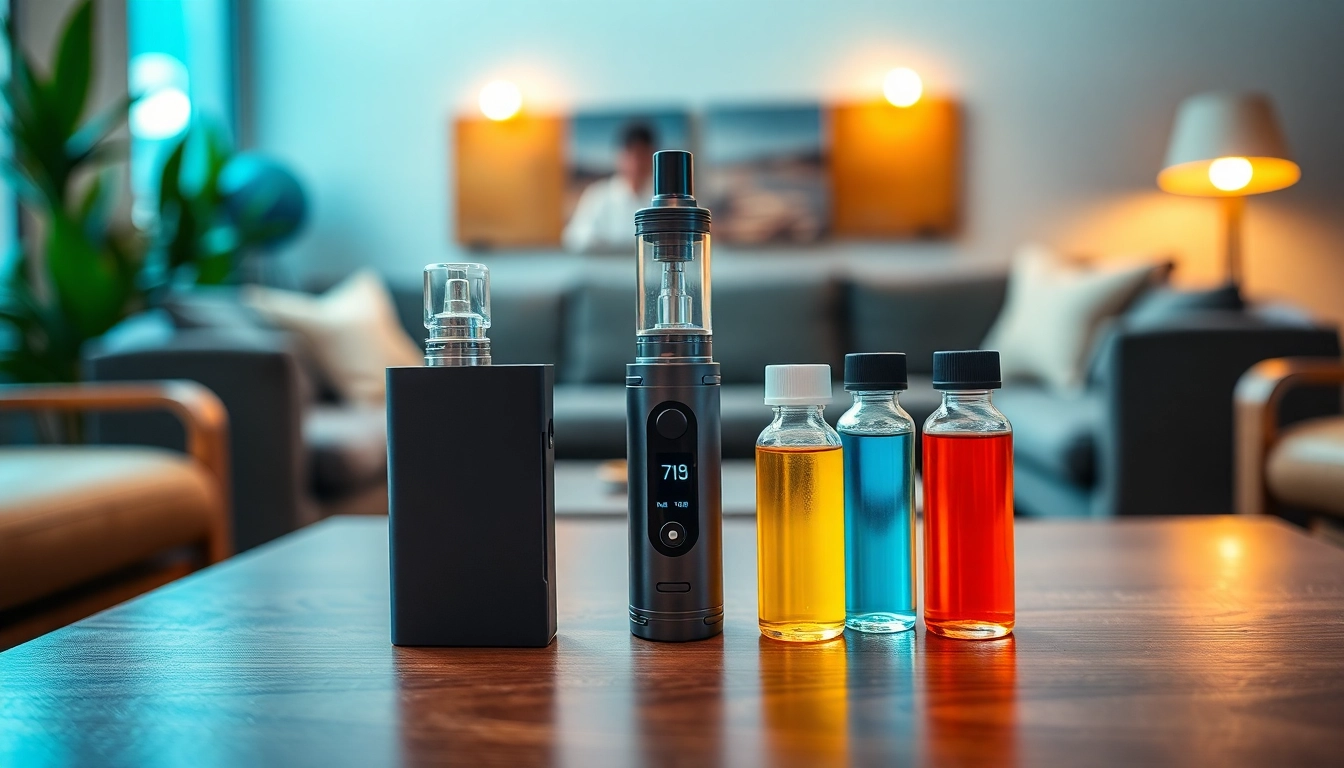
Understanding Vape & E-Liquids
In the world of smoking alternatives, Vape & E-Liquids have redefined how enthusiasts enjoy nicotine and flavor. These innovative products have gained popularity for their customizable experiences, appealing flavors, and a perceived reduction of harmful effects compared to traditional cigarettes. This article delves into the intricacies of vape and e-liquids, discussing types, flavor profiles, health considerations, and selecting quality products.
What are Vape & E-Liquids?
Vape and e-liquids are vaporized solutions typically made from a blend of propylene glycol (PG), vegetable glycerin (VG), flavoring, and nicotine. When heated in a vaporizer or e-cigarette, these liquids produce a vapor that users inhale, mimicking the act of smoking but without the combustion of tobacco. This vaping process is distinguished by its ability to deliver personalized nicotine dosages and flavor variations, making it a popular choice among smokers transitioning to less harmful alternatives.
Types of Vape & E-Liquids Available
When exploring vape and e-liquids, consumers encounter various types tailored to meet different preferences and needs:
- Nicotine Salt E-Liquids: Comprising salt nicotine instead of freebase nicotine, these liquids provide a smoother throat hit, allowing for higher nicotine concentrations without discomfort.
- Freebase E-Liquids: These classic e-liquids feature freebase nicotine, which is a purer form of nicotine. Users often find this option more suitable for lower nicotine levels and higher wattage devices.
- Disposable Vape Pens: Pre-filled and designed for single-use, disposable vape pens offer convenience and portability, ideal for beginners or those looking for a hassle-free experience.
- Customizable E-Liquids: Some brands offer the ability to blend your own vape juice, allowing enthusiasts to create a bespoke experience by selecting flavor combinations and nicotine strength.
Key Ingredients in Vape & E-Liquids
The primary components of vape and e-liquids include:
- Propylene Glycol (PG): A common food additive that acts as a base for e-liquids, PG is known for its ability to provide a throat hit similar to traditional smoking.
- Vegetable Glycerin (VG): Thicker than PG, VG is responsible for producing vapor and providing a sweeter taste. Many vapers prefer a higher VG ratio for a smoother inhalation experience.
- Flavorings: These are food-grade ingredients used to create different flavors, ranging from fruits and desserts to candies and beverages.
- Nicotine: An optional ingredient that can be present in varying levels, from zero to high concentrations, depending on the user’s preference.
Evaluating Flavor Profiles in Vape & E-Liquids
The richness of vape and e-liquids comes from the extensive array of flavors available. Each flavor profile can significantly affect the vaping experience, catering to a wide range of tastes.
Popular Flavor Categories Explained
Flavor categories help to identify popular choices among users:
- Fruity: Refreshing and vibrant, these flavors replicate the essence of various fruits, from common berries to exotic fruits, perfect for those preferring a light and sweet taste.
- Dessert: Luxurious and indulgent, dessert flavors mimic cakes, cookies, and custards, appealing to those who seek a comforting and rich vaping experience.
- Menthol: For fans of a refreshing bite, menthol flavors provide a cooling sensation, often combined with fruits or tobacco.
- Tobacco: Designed for traditional smokers transitioning to vaping, tobacco flavors aim to replicate the familiar taste of various types of tobacco.
How Flavor Impact Influences Choice
Flavor selections greatly impact user satisfaction and loyalty to particular brands or products. Consumers often experiment with various flavors to discover their preferred options, leading to a unique and personal vaping journey.
Mixing Flavors: A Guide to Personalization
Many experienced vapers enjoy mixing flavors for a personalized experience. This practice allows users to tailor their vaping sessions, adapting to preferences and moods by combining complementary flavors. For example, mixing a fruity flavor with a creamy one can yield a unique concoction, enhancing the overall enjoyment of vaping.
Health Considerations with Vape & E-Liquids
The decision to vape over traditional smoking is often influenced by health considerations. While vaping is generally considered less harmful than smoking, it still poses certain risks that users should be aware of.
Potential Risks and Benefits
While many advocate for vaping as a safer alternative to traditional smoking, ongoing research is crucial to understand its long-term effects. Some potential benefits include:
- Reduced exposure to harmful chemicals found in combustible tobacco.
- The ability to manage nicotine intake more effectively, leading to potential cessation opportunities.
Conversely, safety concerns involve:
- The presence of potentially harmful additives in e-liquids, especially those with unclear origins.
- Possible respiratory issues arising from inhalation of vaporized substances.
Understanding Nicotine Levels in Vape & E-Liquids
Nicotine levels in vape and e-liquids vary widely, catering to different users’ needs. Understanding these levels, often measured in milligrams per milliliter (mg/ml), is essential for choosing the right product. Options typically range from zero nicotine to high concentrations, allowing users to select products best suited to their preferences and smoking history.
Regulations and Safety Standards for E-Cigarettes
As the vaping market expands, regulations become increasingly important. Various governing bodies assess e-liquids for safety and quality, ensuring that vape products meet specified requirements. Users should stay informed about regulations in their regions to select compliant and high-quality products.
Selecting Quality Vape & E-Liquids
Choosing the right vape and e-liquids involves critical evaluation to ensure quality and safety. With the market's vast selection, consumers should know what to look for.
Identifying High-Quality E-Liquids
Key indicators of high-quality vape and e-liquids include:
- Transparent ingredient lists, allowing consumers to understand what they are inhaling.
- Use of high-grade PG and VG, ensuring a smooth vaping experience.
- Independent lab testing results that confirm the absence of harmful substances.
Brand Reputation and User Reviews
Researching brand reputations through user reviews and community feedback can provide valuable insights into product quality and performance. Sites dedicated to vaping forums and review platforms allow potential buyers to make informed decisions based on the experiences of other vapers.
Where to Purchase Reliable Vape & E-Liquids
Sourcing vape and e-liquids from reputable suppliers is critical. Whether online or in physical stores, consumers should ensure they purchase from well-established vendors known for quality control and customer service. Buying directly from manufacturers or certified retailers often guarantees product authenticity and quality.
Future Trends in Vape & E-Liquids
The vaping industry continuously evolves, driven by technological advancements and changing consumer preferences. As trends emerge, staying informed can help users adapt to the changing landscape.
Emerging Flavors and Innovations
Innovation is at the heart of the vaping community, with new flavor combinations and formulations frequently hitting the market. As consumers seek unique experiences, brands are tasked with creating inventive flavors that satisfy diverse palates and preferences.
The Rise of Organic and Natural Vape & E-Liquids
As health-conscious consumers increasingly prioritize natural ingredients, the demand for organic and naturally derived e-liquids continues to rise. Brands that focus on using organic flavors and non-toxic bases cater to this growing market, appealing to those concerned about synthetic additives.
Consumer Trends in the Vape & E-Liquids Market
Emerging consumer trends indicate a shift towards personalization in vaping products, with users seeking tailored experiences that reflect their tastes and lifestyles. This shift drives brands to innovate and experiment with offerings, paving the way for a dynamic future in the vape and e-liquids industry.