
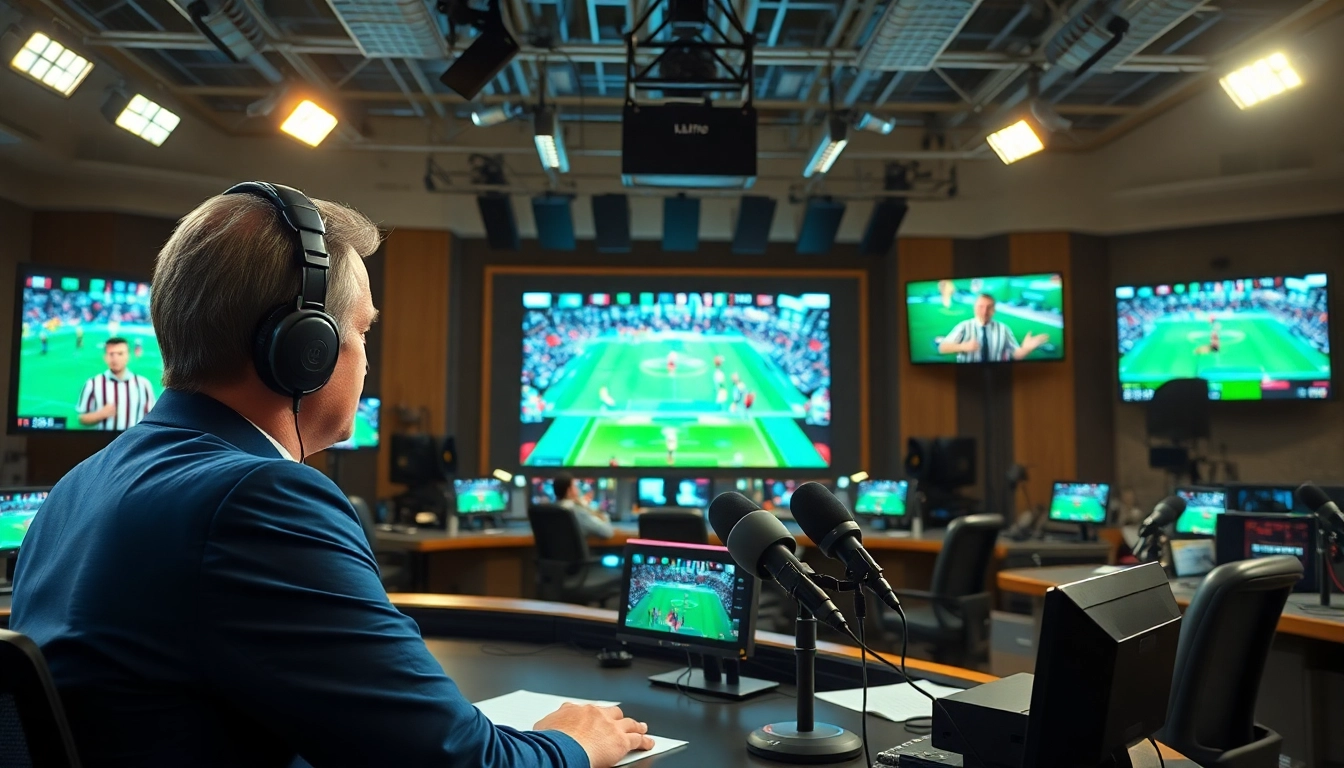
Understanding the Essentials of Sports Broadcasting
Defining Sports Broadcasting
Sports Broadcasting is the practice of distributing sports events via various mediums, including television, radio, and online platforms. This method serves to engage and inform audiences about live sporting events, delivering real-time commentary, visual displays, and analytical insights. As fan engagement becomes increasingly vital in the world of sports, the evolution of Sports Broadcasting has adapted to meet these demands through technological innovations and changing viewer preferences.
Key Elements of Broadcasting
Several critical elements anchor Sports Broadcasting and ensure a captivating viewer experience. These include:
- Content Quality: The accuracy and depth of information delivered are paramount. Viewers expect not just play-by-play commentary but an understanding of tactics and player backgrounds.
- Production Value: High-quality visual and audio production is essential. This encompasses camera work, graphics, and sound design that enrich the viewing experience.
- Audience Engagement: Successful broadcasts utilize various strategies to engage viewers, from interactive elements to audience polls and social media interactions.
Historical Overview of Sports Broadcasting
From the first radio broadcasts of live sports in the early 20th century to the advanced streaming services of today, the history of Sports Broadcasting is a tale of technological evolution. The advent of television in the mid-20th century revolutionized how fans experienced sports, amplifying the reach and excitement of events. As technology continued to improve, the 21st century saw the rise of the internet and mobile platforms, leading to on-demand viewing and live streaming, further transforming audience engagement.
Types of Sports Broadcasting Formats
Radio and Television Broadcasting
Radio and television remain foundational formats in Sports Broadcasting. Radio provides accessible commentary during events, allowing listeners to visualize games uniquely. Television, with its visual capabilities, showcases the action while enhancing it with graphics and expert analysis. The dual roles of audio and visual content create a comprehensive narrative that resonates with diverse audiences.
Online Streaming Services
The rise of online streaming services has dramatically changed how sports content is delivered and consumed. Options like subscription-based models and ad-supported platforms offer fans flexibility in choosing what sports to watch and when. These services enable customizable viewing experiences, access to niche sports, and a range of additional features such as multiple viewing angles and instant replays, catering to modern audience preferences.
Social Media Integration in Sports Broadcasts
Social media platforms have become instrumental in Sports Broadcasting, allowing real-time engagement with fans. Live-tweeting during games, behind-the-scenes content, and interactive fan polls enrich the broadcasting experience. This integration creates a community feel around sports events, making viewers feel like part of the action while contributing to overall broadcast reach and engagement.
Creating Engaging Sports Broadcasting Content
Storytelling Techniques for Sports Broadcasters
Effective storytelling enhances Sports Broadcasting by drawing viewers into the narrative. Broadcasters can employ various techniques, such as:
- Player Narratives: Delving into individual players' backgrounds and challenges instills an emotional connection.
- Historic Context: Highlighting past events related to current games gives audiences depth and context.
- Emotional Angles: Focusing on the human elements of sports, including triumphs and tragedies, resonates more deeply with viewers.
Utilizing Graphics and Analytics
Incorporating graphics and analytics enhances comprehension of complex games. Visual data representations, like player statistics and performance metrics, provide audiences with an instant understanding of events as they unfold. These elements not only make broadcasts visually appealing but also cater to data-driven audiences eager to analyze performance trends.
Engagement through Commentary and Interviews
Dynamic commentary and engaging interviews can significantly enhance a broadcast's quality. Broadcasters who weave insightful commentary with professional anecdotes, alongside well-structured interviews with players and coaches, create a richer viewing experience. This practice not only informs but engages fans by providing multiple perspectives on the game.
Technology Impacting Sports Broadcasting
Virtual Reality and Augmented Reality Applications
The introduction of Virtual Reality (VR) and Augmented Reality (AR) marks a significant turning point in Sports Broadcasting. These technologies offer immersive experiences where fans can feel as if they are part of the game, from virtual stadium walks to interactive player stats overlays. As VR technology becomes more mainstream, it could redefine how sports are consumed live, moving closer to a near-telepathic connection between the viewer and the event.
High Definition and 4K Broadcasting
High-definition (HD) and 4K broadcasting have increased visual clarity, making sports more engaging and lifelike. With sharper images, more vibrant colors, and improved sound, viewers can enjoy a more profound connection to the game. High-definition broadcasts have become the standard expectation for audiences, and as technology progresses, even higher resolutions are on the horizon.
Data Analytics for Better Performance
Data analytics have transformed how teams and broadcasters approach sports. For broadcasters, in-depth analysis can spotlight key individual and team performances, enhance storytelling, and draw correlations between gameplay strategies and results. Audiences increasingly expect to see comprehensive statistical breakdowns, which drive excitement, anticipation, and engagement throughout broadcasts.
Future Trends in Sports Broadcasting
Emerging Platforms and Technologies
As technology continues to evolve, the emergence of new platforms and technologies increasingly shapes the future of Sports Broadcasting. Streaming services are likely to become even more integrated with social media, allowing fans to share real-time reactions and analyses. Innovations such as 8K resolution broadcasts and AI-generated commentary may further propel viewer engagement and provide alternative viewing experiences.
Impact of eSports on Traditional Broadcasting
The rise of eSports has ushered in a fresh wave of Sports Broadcasting. With massive audiences and unique storytelling methods, eSports has prompted traditional sports to adapt its broadcasting approaches. Elements like live-streamed competitions, fan engagement through online platforms, and even virtualized experiences are reflective of changing consumer preferences across various demographics.
Changing Viewer Habits and Preferences
As viewer habits change, broadcasters must remain agile to adapt to the new landscape. Audiences are increasingly favoring on-demand content, shorter highlight reels, and personalization. The ability to access sports content anytime, anywhere on various devices encourages broadcasters to rethink content delivery, emphasizing flexibility and customization to meet evolving viewer expectations.
FAQs
What is sports broadcasting?
Sports broadcasting involves the distribution of sports events via television, radio, or online platforms, aiming to engage and inform viewers.
What types of sports broadcasting exist?
Common formats include traditional radio and TV broadcasts, online streaming services, and social media broadcasts.
How has technology changed sports broadcasting?
Advancements like high-definition broadcasts, analytics, and virtual reality have transformed how audiences experience sports.
What storytelling techniques enhance sports broadcasting?
Effective storytelling can include personal player narratives, emotional angles, and insightful commentary to captivate the audience.
What future trends should we watch for in sports broadcasting?
Expect to see more interactive streaming, integration of eSports, and advanced data analytics shaping viewer engagement.