
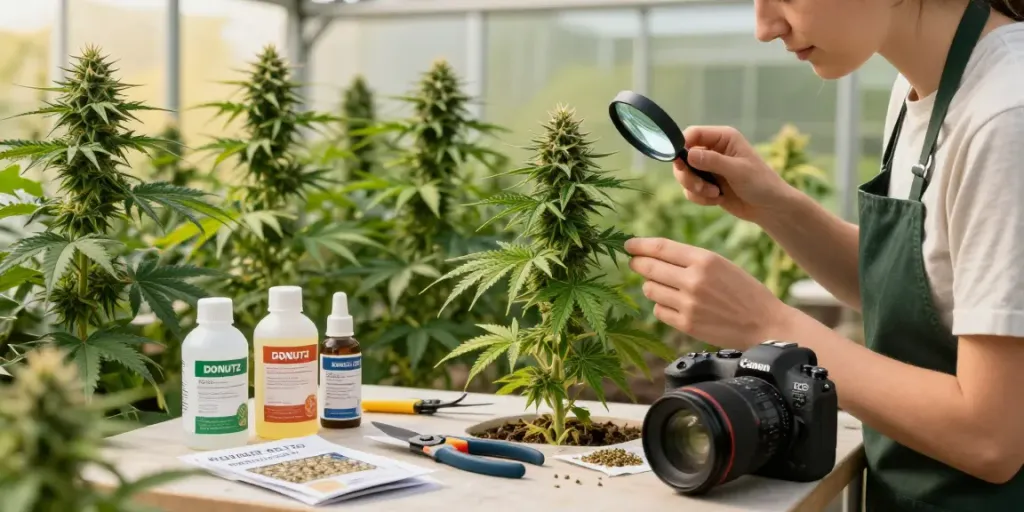
Understanding Triploid Seed Genetics
In the rapidly evolving world of cannabis cultivation, the introduction of triploid seed genetics marks a significant leap forward. These innovative seeds not only promise to enhance yield but also to improve the overall quality of cannabis crops. As growers seek to optimize their harvests and meet the growing consumer demand for potent cannabis, understanding the unique aspects of triploid seeds becomes crucial. When exploring options, triploid seed genetics provide comprehensive insights into how these seeds can redefine cultivation practices.
What Are Triploid Seeds?
Triploid seeds are a cutting-edge innovation in cannabis genetics, characterized by having three complete sets of chromosomes (3n). This genomic configuration distinguishes them from the more conventional diploid seeds, which contain only two sets of chromosomes (2n). The breeding process to create triploid seeds typically involves crossing a tetraploid parent (with four sets of chromosomes) with a diploid parent. The result is a hybrid that can inherit three sets and thus become a triploid plant.
Though the concept of triploidy might seem complex, it opens the door to unique cultivation traits. It's important to note that the triploid designation is primarily about chromosome composition and does not directly guarantee specific traits such as sex, flowering schedule, or potency. Yet, it does lay the groundwork for plants that can exhibit enhanced performance in specific areas.
The Science Behind Triploidy
The foundation of triploid genetics lies in the principles of meiosis, the process through which cells divide to form gametes. In triploid plants, the uneven chromosome count leads to irregularities in gamete formation. This typically results in reduced fertility, which can limit the plant's ability to produce seeds. While this sterility can be advantageous for growers aiming for seedless crops, it isn't absolute—conditions, breeding practices, and the genetic background of the plants play significant roles in determining fertility outcomes.
Comparison with Diploid and Tetraploid Genetics
Understanding the differences between triploid, diploid, and tetraploid genetics is crucial for growers considering their options. Diploid cannabis seeds are the most common and serve as the traditional baseline for cannabis cultivation. They possess two sets of chromosomes, leading to standard fertility and growth patterns.
On the other hand, tetraploid genetics introduce a level of complexity, as these plants come equipped with four chromosome sets. This can enhance certain traits such as size and vigor, but also comes with challenges related to stability and fertility. Triploid seeds, with their hybrid vigor and distinctive chromosome count, can offer a unique middle ground, potentially allowing growers to harness the desirable qualities of both diploid and tetraploid plants while minimizing some of the drawbacks.
Benefits of Growing Triploid Cannabis
The pursuit of higher yields and enhanced potency drives many growers towards triploid cannabis seeds. The benefits inherent to these genetic structures are significant and can transform both commercial and home cultivation practices.
Higher Yields and Potent THC Levels
One of the standout features of triploid cannabis strains is their potential for higher yields. The combination of advanced genetics leads to plants that can produce larger and more consistent harvests. Furthermore, triploid plants have been reported to exhibit elevated THC and terpene levels, contributing to a more potent and flavorful final product. This aspect is particularly appealing to commercial growers who aim to meet consumer preferences for quality and strength.
Natural Pollen Resistance and Sterility
Another key benefit of triploid plants is their natural resistance to pollen, which can be a considerable advantage in cultivation. For growers focusing on seedless crops, triploidy presents a way to minimize the risk of unwanted pollination. The intrinsic sterility associated with triploid genetics means that these plants are less likely to produce seeds, enabling growers to cultivate sinsemilla cannabis—that is, cannabis without seeds—thus enhancing the quality and marketability of their crops.
Faster Flowering Times Explained
Growers are also drawn to the faster flowering times of triploid cannabis plants. These seeds can lead to shorter growing cycles compared to their diploid counterparts, allowing producers to maximize their output and improve turnaround times. This accelerated growth is particularly beneficial in a marketplace where demand for cannabis products is continually on the rise.
Challenges in Triploid Cannabis Cultivation
While the advantages of triploid seed genetics are compelling, growers need to navigate several challenges that accompany this innovative breeding approach.
Reduced Fertility and Seed Production Issues
As previously mentioned, the uneven chromosome distribution in triploid plants often results in reduced fertility. While this does create an opportunity for seedless crops, it also presents challenges. Growers must be aware of the potential for low seed production if unintended pollination occurs, and they must manage the risks associated with cultivating triploid genetics.
Potential Genetic Anomalies During Growth
Triploid plants can sometimes exhibit genetic anomalies during their growth cycles. These anomalies may manifest as variations in growth patterns, potency, or general health. Growers must stay vigilant and be prepared to adapt their cultivation strategies to account for these potential irregularities, ensuring that they maximize the health and productivity of their crops.
Environmental Factors Affecting Growth
Environmental factors also play a significant role in the cultivation success of triploid cannabis. Elements such as light, temperature, humidity, and nutrient availability can all impact plant performance. Growers must closely monitor their growing conditions and be ready to make adjustments to optimize growth outcomes.
Best Practices for Cultivating Triploid Seeds
Understanding the best practices for cultivating triploid cannabis seeds is essential for maximizing their unique benefits while navigating the associated challenges.
Preparation for Planting Triploid Cannabis
Successful cultivation begins with thorough preparation. This includes selecting the right growing environment, whether indoors or outdoors, to ensure optimal settings for triploid plants. Soil quality, pot size, and initial nutrient levels should all be considered before planting. Additionally, pre-germination treatments, such as soaking seeds or using a humidity dome, can promote stronger initial growth.
Nutrient Management for Optimal Growth
Nutrient management is crucial for the healthy development of triploid plants. Given their potential for higher yields, these plants often require tailored feeding regimens that provide adequate macro and micronutrients. Regular soil testing can help determine the nutrient needs specific to the growing conditions and the genetics involved.
Harvesting Techniques for Triploid Strains
When it comes to harvesting triploid cannabis, timing and technique are critical. Growers should closely monitor the trichome development to determine the optimal harvest window for peak potency and flavor. Using proper harvesting tools and techniques ensures minimal stress on the plants and helps preserve the quality of the final product.
The Future of Triploid Cannabis Seeds in 2026
As we look ahead to 2026, the landscape of cannabis cultivation is poised for even greater transformation, particularly with respect to triploid seed genetics.
Emerging Trends in Cannabis Genetics
Research into cannabis genetics continues to advance, with triploid strains expected to play a significant role in future developments. Innovations in breeding techniques, including the use of CRISPR and other gene-editing technologies, may lead to new triploid hybrid varieties that exhibit superior traits. This evolution will likely enhance the consistency and quality of cannabis products available to consumers.
Potential Market Growth and Consumer Demand
The cannabis market is projected to expand significantly, driven by increasing consumer awareness and acceptance. As demand for high-quality, potent cannabis strains grows, triploid seeds are well-positioned to meet this need. Their ability to produce high-yield and high-potency crops will attract both commercial and home growers seeking to capitalize on evolving market trends.
Regulatory Insights for Cannabis Cultivation
Regulatory frameworks surrounding cannabis cultivation continue to change, affecting how triploid seeds are produced and marketed. Growers must stay informed about local laws and compliance requirements to ensure their operations remain aligned with evolving legislation. This may include considerations about the legality of triploid strains, especially in regions with stricter regulations regarding seed production and cannabis cultivation.
What is the lifespan of triploid seed genetics?
The lifespan of triploid seed genetics can vary based on cultivation practices and environmental factors. However, with proper care and breeding techniques, these seeds can produce robust plants that thrive under optimal conditions.
Can triploid seeds produce seeds at all?
While triploid plants typically exhibit reduced fertility and may struggle to produce viable seeds, they are not entirely incapable of seed production. The genetic background and environmental conditions can influence the degree of fertility observed in triploid strains.
How are triploid seeds created?
Triploid seeds are created through the careful breeding of tetraploid and diploid plants, resulting in a chromosome count of three sets. This complex process involves understanding genetic compatibility and the principles of plant breeding.
What sets triploid seeds apart from feminized seeds?
Triploid seeds differ from feminized seeds primarily in chromosome composition. While feminized seeds are engineered to produce female plants exclusively, triploid seeds focus on the benefits of their unique chromosome structure, which includes potential sterility and enhanced growth traits.
Are triploid cannabis plants more challenging to grow?
While triploid cannabis plants may present unique challenges, such as potential genetic anomalies and reduced fertility, experienced growers can leverage their advantages to produce high-quality crops. Understanding the specific needs of triploid plants is essential for successful cultivation.