
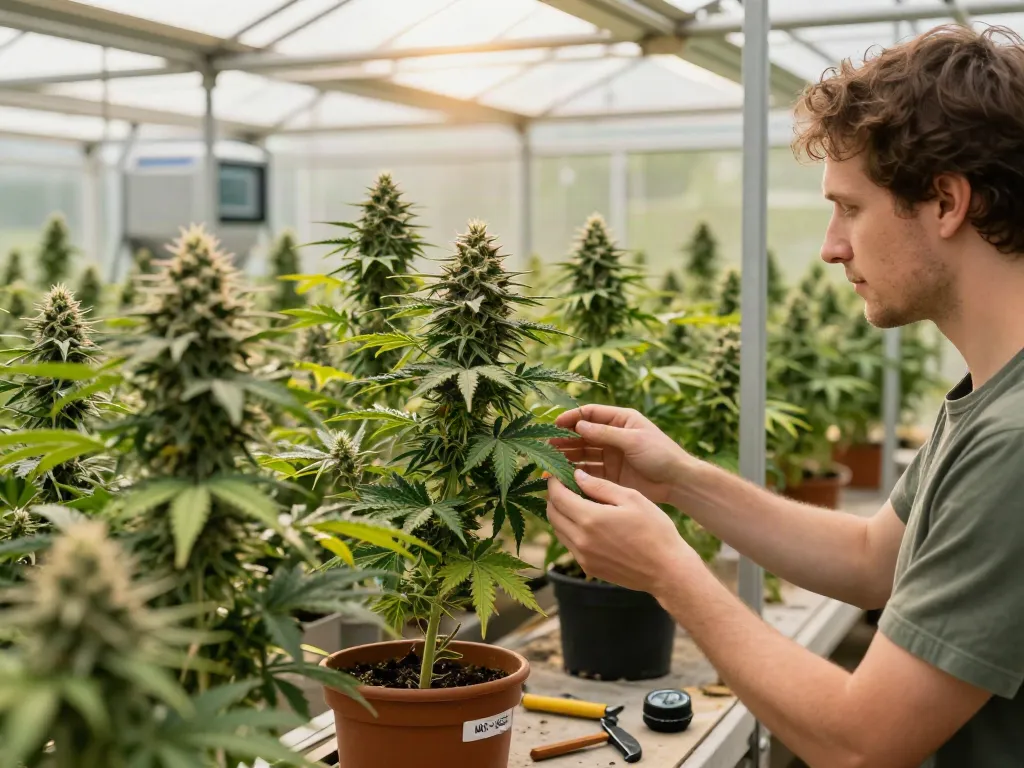
Understanding Regular Photoperiod Seeds
For cannabis enthusiasts and cultivators, the choice of seeds plays a crucial role in the success of their growing endeavors. Among the various seed types available, regular photoperiod seeds stand out for their unique characteristics and advantages. Unlike feminized or autoflowering seeds, regular seeds offer growers both male and female plants, which is essential for those looking to breed new strains or explore genetic diversity. In this article, we will delve deep into what regular photoperiod seeds are, their genetic characteristics, the benefits they provide, and often misunderstood aspects surrounding them.
What are Regular Photoperiod Seeds?
Regular photoperiod seeds are cannabis seeds produced from unaltered, natural genetic lines. These seeds can sprout into either male or female plants, maintaining the full spectrum of the cannabis reproductive population. The term "photoperiod" refers to the light cycles that influence flowering; regular seeds require specific light intervals to initiate the flowering stage, typically 12 hours of light followed by 12 hours of darkness. This type of seed is particularly favored for breeding projects and those interested in phenotype hunting—an essential process for developing new cannabis varieties.
Genetic Characteristics and Benefits
One of the primary advantages of using regular photoperiod seeds is their genetic integrity. Regular seeds preserve the full gene pool, which enhances the potential for vigor, yield, and aroma. These seeds are crucial for breeders aiming to create new hybrid strains or stabilize existing ones, as they allow the assessment of both male and female plants. The offspring from regular seeds also show a broader range of traits, enabling growers to select for desired characteristics. By maintaining the genetic diversity inherent in regular seed lines, cultivators can contribute to the resilience and adaptability of cannabis strains.
Common Misconceptions about Regular Seeds
Many novice growers mistakenly equate "regular" with "lower quality," but this is far from the truth. Regular seeds are not inferior; rather, they are unrefined and primal, reflecting the natural breeding processes of cannabis. Misunderstanding often arises from the fear of unwanted male plants, which can indeed produce pollen and affect the yield of seedless flowers. However, with the right cultivation practices, growers can effectively manage these male plants and use them to their advantage in breeding scenarios.
Breeding with Regular Seeds
Why Choose Regular Photoperiod Seeds for Breeding?
Breeders often opt for regular photoperiod seeds due to the genetic stability they offer. When creating new cannabis strains, the ability to crossbreed male and female plants allows for a more controlled selection process. This results in offspring that encapsulate the desired characteristics—whether that be potency, flavor, or growth traits. Furthermore, regular seeds facilitate the preservation of genetic lines, which is essential for maintaining the quality and diversity of cannabis cultivars over time.
Evaluating Genetic Stability and Vigor
Genetic stability is a critical factor in breeding, and regular seeds provide an excellent platform for evaluating the vigor and resilience of different progeny. In a breeding program, assessing the growth patterns, disease resistance, and yield potential of regular seed offspring can inform future breeding decisions. This evaluation process ensures that only the best plants contribute to the next generation, enhancing the overall quality and performance of the strain.
Common Techniques in Cannabis Breeding with Regular Seeds
Several techniques are commonly employed in breeding with regular seeds, including:
- Backcrossing: This method involves crossing a hybrid back to one of its parent strains to reinforce specific traits.
- Outcrossing: Introducing unrelated genetics into a breeding program to enhance diversity and resilience.
- Phenotype Selection: Identifying and selecting plants that exhibit desirable traits for propagation.
Each of these techniques allows breeders to refine their cultivars while maintaining genetic health.
Comparing Regular vs. Feminized vs. Autoflower Seeds
Differences in Growth Patterns and Yields
When comparing regular, feminized, and autoflower seeds, it is essential to recognize their distinct growth patterns. Regular seeds produce a 50/50 mix of male and female plants, while feminized seeds are specifically designed to produce only female plants. Autoflower seeds, on the other hand, initiate flowering based on age rather than light exposure. The choice between these seed types depends on the grower's goals:
- For breeding and genetic preservation, regular seeds are ideal.
- For those seeking maximum yield without worrying about males, feminized seeds are a better option.
- For fast-growing, beginner-friendly options, choose autoflower seeds.
When to Choose Regular Seeds over Other Types
Regular seeds are the preferred choice when the grower’s focus is on breeding or maintaining genetic lines. For individuals interested in experimenting with new phenotype options, regular seeds offer the necessary diversity to explore various traits. Conversely, those aiming for quick harvests or simpler cultivation practices might opt for feminized or autoflowering seeds.
Advantages of Using Regular Seeds for Experienced Growers
Experienced growers benefit significantly from using regular seeds. With a deeper understanding of cannabis genetics, they can identify and utilize male plants effectively, making them crucial for breeding projects. Moreover, regular seeds are often associated with more robust and resilient plants, leading to higher overall yields and better quality buds.
Best Practices for Cultivating Regular Photoperiod Seeds
Essential Growth Conditions and Environment
Successfully cultivating regular photoperiod seeds requires creating optimal growth conditions. Key factors include:
- Lighting: Ensure a consistent light cycle of 18 hours of light for vegetative growth, transitioning to 12 hours for flowering.
- Temperature: Maintain temperatures between 70-80°F (20-27°C) during the day and slightly cooler at night.
- Humidity: Adjust humidity levels based on growth stage—higher humidity for seedlings and lower humidity during flowering.
By fine-tuning these conditions, growers can maximize the potential of their regular photoperiod seeds.
Common Challenges and Solutions in Cultivation
While cultivating regular seeds can yield great rewards, certain challenges may arise. These include:
- Identifying Sex: The need to distinguish male plants from females can be daunting. Regular inspection during the vegetative phase is critical to mitigate unintended pollination.
- Pest and Disease Management: Regular vigilance and integrated pest management strategies help maintain plant health.
Many growers find success by utilizing organic pest control solutions and maintaining a clean growing environment.
Monitoring and Adjusting Light Cycles Effectively
Since regular photoperiod seeds require specific light schedules to bloom, growers must be diligent in monitoring light cycles. Setting up automated timers fosters consistency, reducing the risk of errors. Additionally, understanding the plants' transition phases—vegetative to flowering—enables growers to better anticipate plant needs throughout their life cycle.
Future Trends in Cannabis Seed Genetics
The Role of Regular Seeds in Future Breeding Projects
As the cannabis industry progresses, the role of regular seeds in breeding projects will continue to be pivotal. Growers and researchers are increasingly focusing on breeding for specific traits, such as enhanced flavor profiles, disease resistance, and high cannabinoid production. The genetic diversity provided by regular seeds is invaluable for such innovations.
Emerging Strains and Innovations in the Seed Market
The seed market is witnessing an influx of creative breeding practices that push the boundaries of existing cannabis strains. Hybrid strains resulting from regular seed breeding often showcase unique characteristics that appeal to discerning growers. Innovators are also utilizing technology, like CRISPR and genomic mapping, to selectively breed characteristics, opening up exciting possibilities for the future.
Predictions for Cannabis Cultivation Methodologies in 2026
By 2026, we can expect significant advancements in cultivation methodologies, especially concerning sustainability and efficiency. Techniques such as aquaponics and vertical farming will likely become more mainstream, enabling growers to maximize yield while minimizing resource use. Regular photoperiod seeds will remain a cornerstone in breeding, as growers seek to enhance genetic diversity and resilience amidst changing environmental conditions.
What to Consider Before Making a Purchase?
Before purchasing regular photoperiod seeds, consider key factors like local regulations, the intended purpose of cultivation (breeding vs. personal use), and the reputation of the seed bank. Always consult reviews and seek out reputable sources to ensure product quality.
How to Legally Grow Cannabis in Your State?
Legal frameworks surrounding cannabis cultivation vary significantly by state. It's imperative for growers to familiarize themselves with local laws regarding seed purchase, cultivation limits, and other regulations to ensure compliance.
What are the Best Strains for Beginners?
For those just starting with regular seeds, strains known for their hardiness and ease of growth, such as Afghan Hash Plant or Blue Angel, provide a solid foundation. These varieties are forgiving and yield good results even with basic cultivation skills.
What are the Differences in Yield between Regular and Feminized Seeds?
Yield differences primarily stem from the sex of the plant. Regular seeds can produce both male and female plants, while feminized seeds focus solely on females. This pure female-only approach usually results in a higher yield of smokable flower, but regular seeds offer more genetic versatility and opportunities for breeding.
How Do I Germinate Regular Photoperiod Seeds?
Germinating regular photoperiod seeds involves several steps. Start by soaking seeds in water for 12-24 hours, then place them in a damp paper towel inside a dark, warm area. Once they sprout, transfer the seedlings into a growing medium. Adequate light and moisture should be provided throughout the germination process to ensure healthy growth.
What are the Key Factors for Success in Cannabis Growing?
Cultivating cannabis, especially from regular photoperiod seeds, requires attention to detail. Key factors include proper lighting, consistent watering schedules, nutrient management, and pest control. Mastering these elements will elevate the success rate of your cultivation efforts.